What are corals?
What Are Corals?
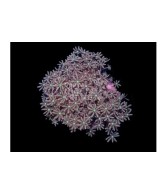
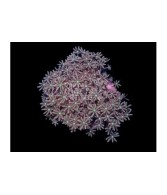
Corals are among the most fascinating organisms found in saltwater aquariums. Many beginners assume they are plants because they remain attached to rocks and often resemble underwater flowers or bushes. In reality, corals are animals. They belong to the phylum Cnidaria, the same group that includes jellyfish and sea anemones.
Corals form the foundation of coral reefs and provide habitat for countless marine species. In a reef aquarium, they add color, movement, and incredible biodiversity.
Corals Are Animals
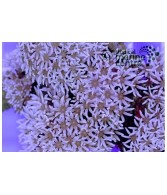
Each coral consists of tiny individual animals called polyps. A polyp has a mouth surrounded by tentacles that help capture food from the water.
Coral polyps can:
- catch plankton
- consume suspended particles
- benefit from energy produced through photosynthesis
Thousands of polyps working together create the coral colonies seen in nature and aquariums.
Coral Symbiosis
Most reef-building corals live in partnership with microscopic algae called zooxanthellae.
This relationship benefits both organisms:
- algae produce energy from light
- corals provide shelter and nutrients
Because of this connection, proper lighting is one of the most important factors in coral care.
How Corals Grow
Many corals build hard skeletons from calcium and carbonate dissolved in seawater. This process is called calcification.
As they grow, corals can form:
- branches
- plates
- mounds
- complex reef structures
Over time, these structures develop into the massive coral reefs found throughout tropical oceans.
Coral Colors
Corals are famous for their vibrant colors, including:
- green
- blue
- red
- purple
- orange
- yellow
Some colors come from coral pigments, while others are influenced by their symbiotic algae.
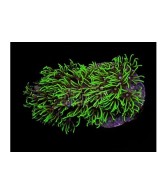
Many species display spectacular fluorescence under blue reef lighting.
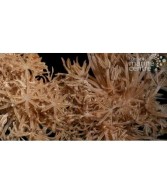
Soft Corals
Soft corals are often recommended for beginners because they are generally more tolerant of changing conditions.
Characteristics include:
- flexible structure
- constant movement
- relatively fast growth
They are an excellent starting point for new reef keepers.
LPS Corals
LPS stands for Large Polyp Stony Coral.
These corals typically feature:
- large fleshy polyps
- hard calcium skeletons
- attractive appearance
They are popular because they combine impressive looks with moderate care requirements.
SPS Corals
SPS stands for Small Polyp Stony Coral.
These corals are known for:
- small polyps
- branching growth forms
- rapid skeletal development
They generally require strong lighting, stable water chemistry, and excellent water flow.
Corals in Reef Aquariums
Corals are not simply decorations. They are living animals that constantly respond to their environment.
Their health depends on:
- lighting
- water flow
- water quality
- nutrient balance
- temperature
When conditions are ideal, corals show strong growth, vibrant coloration, and extended polyps.
Can Corals Reproduce in Aquariums?
Yes. Many corals grow well enough to be fragmented and propagated in captivity.
This allows hobbyists to:
- expand their reef
- trade corals with others
- support sustainable coral keeping
Many corals sold today originate from aquarium cultivation rather than wild collection.
Summary
Corals are animals that build the structures forming coral reefs around the world. They rely on light, water quality, and stable conditions to thrive. In a reef aquarium, healthy corals create a vibrant and living ecosystem that can grow and develop for many years.
Share this content