LPS, SPS and Soft Corals Explained
LPS, SPS and Soft Corals Explained
In reef aquarium keeping, corals are generally divided into three main groups: soft corals, LPS corals, and SPS corals. Understanding these groups helps hobbyists choose suitable corals and provide the right environment for healthy growth.
Although all corals are animals, they differ greatly in structure, appearance, care requirements, and growth patterns.
What Are Soft Corals?
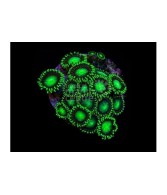
Soft corals are often the first corals introduced into a reef aquarium. Unlike stony corals, they usually do not build large calcium skeletons and have flexible, soft tissue structures.
Popular examples include:
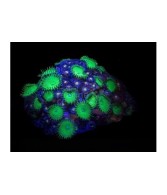
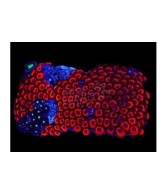
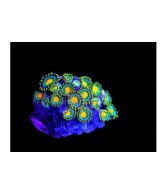
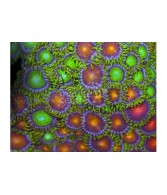
- Zoanthids
- Leather corals
- Ricordea
- Xenia
- Clavularia
Their movement in the current adds a natural and dynamic look to reef tanks.
Soft Coral Requirements
Most soft corals tolerate minor fluctuations better than stony corals.
They generally prefer:
- moderate lighting
- gentle to moderate flow
- slightly higher nutrient levels
Because of their adaptability, they are ideal for beginners.
What Does LPS Mean?
LPS stands for Large Polyp Stony Coral.
These corals feature:
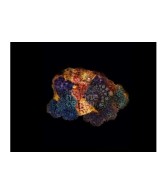
- calcium skeletons
- large fleshy polyps
- vibrant colors
Popular LPS corals include:
- Euphyllia
- Acanthastrea
- Favia
- Lobophyllia
- Trachyphyllia
Many reef keepers consider LPS corals among the most attractive due to their size and movement.
LPS Coral Requirements
LPS corals require more stability than most soft corals.
They typically thrive under:
- moderate lighting
- moderate water flow
- stable calcium, alkalinity, and magnesium levels
Many species also respond well to occasional supplemental feeding.
What Does SPS Mean?
SPS stands for Small Polyp Stony Coral.
These corals are known for:
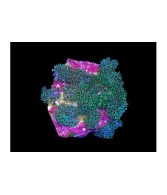
- small polyps
- branching or plating growth forms
- rapid skeletal growth
Common SPS corals include:
- Acropora
- Montipora
- Pocillopora
- Stylophora
- Seriatopora
Many natural reef structures are dominated by SPS coral species.
SPS Coral Requirements
SPS corals are generally considered the most demanding corals in the hobby.
They require:
- strong lighting
- powerful and variable water flow
- highly stable water chemistry
- controlled nutrient levels
Even small changes in conditions can affect coloration and growth.
Main Differences Between the Groups
In simple terms:
Soft corals:
- easiest to keep
- flexible structure
- tolerant of change
LPS corals:
- large polyps
- colorful appearance
- moderate care requirements
SPS corals:
- small polyps
- fast skeletal growth
- demanding conditions
The level of difficulty generally increases from soft corals to LPS and then SPS corals.
Can They Be Kept Together?
Yes. Many successful reef aquariums contain all three groups.
Important considerations include:
- adequate spacing
- suitable lighting zones
- proper flow patterns
- coral compatibility
Some corals compete for space chemically or physically and should be positioned carefully.
Which Coral Type Is Best for Beginners?
For most beginners, soft corals and easier LPS species are the best starting point.
Advantages include:
- better tolerance
- easier care
- attractive appearance
- steady growth
SPS corals are often best introduced after gaining experience and establishing a stable reef system.
Summary
Soft corals, LPS corals, and SPS corals are the three primary coral groups found in reef aquariums. Soft corals are excellent for beginners, LPS corals offer impressive color and movement, and SPS corals provide a rewarding challenge for experienced reef keepers. Understanding their differences is the key to building a successful and balanced reef aquarium.
Share this content