Ammonia, nitrite, nitrate and phosphate: what is their significance?
Ammonia, Nitrite, Nitrate and Phosphate: What Do They Mean?
The balance of a saltwater aquarium depends on a few key water parameters. Among the most important are ammonia, nitrite, nitrate, and phosphate. Understanding these helps you manage your aquarium and avoid common problems.
Ammonia: the most dangerous compound
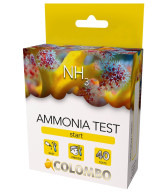
Ammonia comes from fish waste, respiration, and decaying food. It is highly toxic even in very small amounts.
In a healthy aquarium, ammonia should always be at zero. Any detectable level indicates a problem in the biological system.
Common causes include overstocking or overfeeding.
Nitrite: the intermediate stage
Nitrite is produced as bacteria break down ammonia. It is less toxic than ammonia but still harmful.
During the cycling phase, nitrite rises and then falls. In a stable aquarium, it should always be zero.
Its presence suggests that the nitrogen cycle is not fully established.
Nitrate: a manageable nutrient
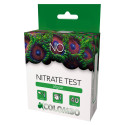
Nitrate is the final stage of the nitrogen cycle. It is much less harmful but still needs to be controlled.
Low levels of nitrate can support biological processes and benefit corals. High levels, however, promote algae growth and reduce water quality.
Phosphate: small but powerful
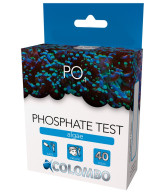
Phosphate mainly enters the aquarium through food and water. Even in small amounts, it has a strong impact.
High phosphate levels inhibit coral calcification and cause algae issues. Too little phosphate can also create imbalance.
The goal is to maintain low but detectable levels.
How these parameters work together
Ammonia, nitrite, and nitrate are part of the nitrogen cycle. Phosphate is part of the nutrient cycle.
In a balanced system:
- ammonia and nitrite are zero
- nitrate is low but present
- phosphate is very low
Balance between these parameters is key to success.
What happens when things go wrong
High ammonia is an urgent problem and requires immediate action.
Elevated nitrate or phosphate often leads to algae growth and declining water quality.
Too low nutrient levels can slow coral growth and cause stress.
Nitrate to phosphate ratio and bacterial balance
Looking at nitrate and phosphate individually is not enough. Their ratio is even more important, as it directly affects bacterial activity and overall system stability.
In nature, nutrient balance is often described using the Redfield ratio, which is approximately 16:1 nitrogen to phosphorus. In practical aquarium terms, this means nitrate and phosphate should be in balance for bacteria to function efficiently.
If nitrate is high but phosphate is extremely low, bacteria cannot properly utilize nitrogen. This often leads to nitrate buildup. On the other hand, high phosphate with low nitrate can trigger excessive algae growth.
A practical target range in reef aquariums is:
- nitrate around 2–10 ppm
- phosphate around 0.02–0.08 ppm
The key is not an exact ratio but balance. Both nutrients should be present. Completely zero values can limit bacterial activity and destabilize the system.
When nitrate and phosphate are balanced, bacteria can efficiently process nutrients. This helps maintain clear water, control algae, and support healthy coral growth.
Managing these parameters
Control is achieved through:
- moderate feeding
- proper stocking
- regular water changes
- effective filtration
- additional solutions if needed
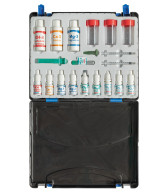
Regular testing is essential to understand your system.
Summary
Ammonia, nitrite, nitrate, and phosphate are the core water parameters of a saltwater aquarium. They indicate how well your system is functioning.
At Akvaariokeidas, you can find test kits, filtration products, and expert guidance to keep your aquarium stable.
Share this content