Salinity meters, differences in use and meter selection
Salinity Meters, Differences in Use and Choosing the Right One
Measuring salinity is one of the most important tasks in a saltwater aquarium. Without accurate measurement, it is impossible to know if the system is stable. There are different types of tools available, and they vary in accuracy, ease of use, and reliability.
Common Types of Salinity Meters
There are three main types of salinity measuring tools. Hydrometers, refractometers, and digital meters.
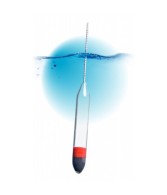
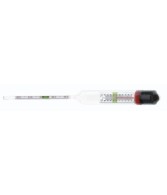
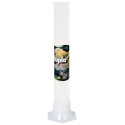
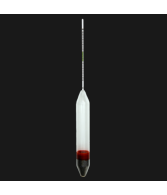
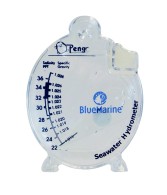
Hydrometers are the simplest option. They measure water density using a floating or swing arm mechanism. They are affordable and easy to use but less accurate.
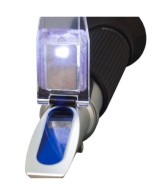
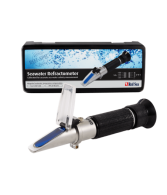
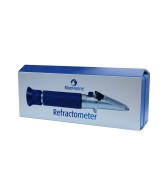
Refractometers measure how light bends in water. They are more precise and widely recommended for reef aquariums.
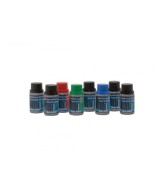
Digital meters provide direct readings on a screen. They are easy to use and often very accurate but usually more expensive.
Using a Hydrometer
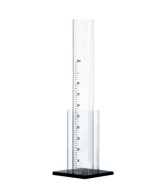
Hydrometers are simple and cost effective. You fill the device with water and read the result from the scale.
Their limitation is accuracy. Air bubbles, dirt, and temperature can affect results significantly.
Advantages of a Refractometer
Refractometers are the most popular choice among hobbyists. They are accurate, reliable, and reasonably priced.
Only a few drops of water are needed for measurement. Many models include temperature compensation for added accuracy.
Regular calibration is important, usually using purified water or calibration solution.
Digital Meters
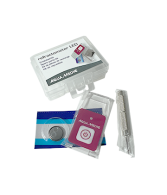
Digital salinity meters offer convenience and fast readings. They are ideal for users who want a simple process without manual interpretation.
They require maintenance and calibration, and sensors may wear over time.
Accuracy and Common Mistakes
The biggest issues come from poor calibration or improper use.
Dirty tools or incorrect temperature conditions can lead to inaccurate results. Regular cleaning and calibration are essential.
Consistency in measurements is more important than absolute precision.
Choosing the Right Meter
For beginners, a refractometer is typically the best choice. It provides a good balance of accuracy and ease of use.
Hydrometers can serve as a backup but are not ideal for precise control.
Digital meters are suitable for advanced users who prefer convenience and have a higher budget.
Practical Tips
Measure salinity regularly, especially after water changes. Always use the same device to ensure consistency.
Keep your meter clean and calibrated to maintain reliable results.
At Akvaariokeidas, you can find high quality salinity meters along with expert advice to choose the right one for your needs.
Summary
Choosing the right salinity meter is essential for maintaining a stable aquarium. A refractometer is the best option for most users, but proper usage and regular calibration are key.
Share this content