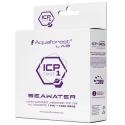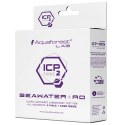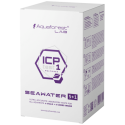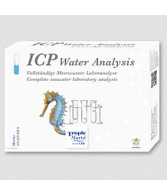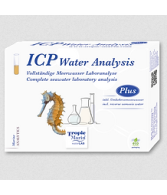
24 ICP test – is it worth it?
ICP Testing in a Saltwater Aquarium – Is It Worth It?
ICP testing has become increasingly popular among saltwater aquarium hobbyists. It offers a much more detailed analysis of water chemistry than traditional home test kits. However, many wonder whether ICP testing is truly necessary or if standard tests are sufficient. The answer depends on your goals, experience level, and whether you are dealing with problems.
What is ICP testing
ICP stands for Inductively Coupled Plasma. It is a laboratory method that analyzes water samples with high precision.
The test measures many elements, including:
- trace elements like iodine and strontium
- heavy metals such as copper and zinc
- major elements like calcium and magnesium
This provides a comprehensive chemical profile of your aquarium.
How ICP testing works
You collect a small water sample and send it to a laboratory. Results are typically delivered online within a few days.
The report includes:
- measured values
- recommended ranges
- identified issues
- suggested corrections
This makes it a powerful diagnostic tool.
Why ICP testing is useful
The main advantage is accuracy and depth. Traditional tests only measure a limited number of parameters.
ICP testing reveals:
- hidden imbalances
- trace element deficiencies
- harmful contaminants
- subtle water chemistry issues
It can identify problems that would otherwise go unnoticed.
When should you use ICP testing
ICP is not required on a daily basis but is highly valuable in specific situations.
It is particularly useful:
- when the tank is not performing well
- if corals show poor growth
- when contamination is suspected
- for fine tuning a reef system
It is best used as an advanced diagnostic tool.
ICP for beginners
For beginners, ICP testing is not essential. Basic maintenance practices such as:
- water changes
- nutrient control
- biological stability
are more important in the early stages.
However, a single ICP test can provide a useful baseline for understanding your system.
ICP vs traditional testing
Liquid and digital tests remain essential for routine monitoring. They are quick, practical, and used frequently.
ICP testing complements rather than replaces them.
In summary:
- traditional tests for daily monitoring
- ICP for deeper analysis
Together they provide a complete understanding.
Limitations
ICP testing is not real time. It reflects conditions at the time of sampling rather than continuous changes.
Other limitations include:
- higher cost
- need for interpretation
- recommendations that may require experience
Overanalyzing results can also lead to unnecessary adjustments.
Is it worth it
ICP testing is a valuable tool when used appropriately. It is not mandatory for every aquarium but provides significant benefits in advanced setups.
It is especially worth it for:
- reef aquariums
- troubleshooting issues
- optimizing water chemistry
For basic systems, it is not required regularly.
Summary
ICP testing offers the most detailed insight into aquarium water chemistry. It helps identify hidden problems and optimize conditions, but it should be used alongside traditional testing methods.
At Akvaariokeidas, you can find testing solutions and expert advice to make the most of your aquarium care.
Share this content