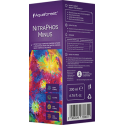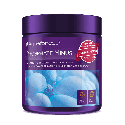
GFO and phosphate management
GFO and Phosphate Control in a Saltwater Aquarium
Phosphate is one of the most important nutrient parameters in a saltwater aquarium. While small amounts are beneficial, excessive phosphate can lead to serious problems. GFO, or granular ferric oxide, is one of the most effective tools for controlling phosphate levels and maintaining balance.
Why phosphate matters
Phosphate is naturally introduced into the aquarium through:
- fish food
- waste
- source water
In low levels, phosphate supports biological functions and coral metabolism. Problems arise when levels become too high.
High phosphate can:
- inhibit coral calcification
- promote algae growth
- reduce water quality
The goal is to maintain low but measurable levels.
What is GFO
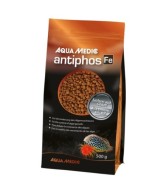
GFO stands for granular ferric oxide. It is a chemical filtration media that binds phosphate from the water.
As water flows through the media, phosphate attaches to the surface and is removed from circulation.
Unlike some methods, GFO permanently removes phosphate rather than relocating it.
Why GFO is effective
GFO is widely used because of its reliability and fast results.
Its benefits include:
- rapid phosphate reduction
- simple use
- precise control
- no harmful additives
It is especially useful when phosphate levels become too high.
When to use GFO
GFO is typically used when phosphate exceeds desired levels.
Common situations include:
- algae outbreaks
- nutrient imbalance
- new tank phases
- heavy bioload systems
It can also be used preventively in small amounts.
How to use GFO
GFO can be used in two main ways:
- in a reactor for controlled water flow
- in a media bag in a sump
A reactor is more efficient because it ensures even water contact.
Always rinse GFO before use to remove dust particles.
Dosage and control
The amount of GFO depends on tank size and phosphate concentration. Beginners should start with a small amount and increase gradually.
Reducing phosphate too quickly can stress corals, so gradual adjustment is important.
Replacement frequency
GFO becomes saturated over time and loses effectiveness. It is typically replaced every 2 to 6 weeks depending on usage.
Monitoring phosphate levels is the best way to determine when replacement is needed.
Risks of GFO
While generally safe, improper use can cause issues.
Excessive GFO can:
- reduce phosphate too much
- stress corals
- disrupt nutrient balance
Maintaining some detectable phosphate is important.
Part of a broader strategy
GFO works best as part of an overall nutrient management plan, including:
- controlled feeding
- biological filtration
- water changes
- refugium systems
Combining methods leads to better stability.
Summary
GFO is a powerful tool for controlling phosphate in saltwater aquariums. When used properly, it reduces algae and supports coral health.
At Akvaariokeidas, you can find high quality GFO products and expert advice to maintain perfect nutrient balance.
Share this content