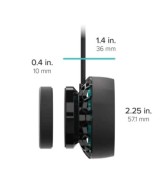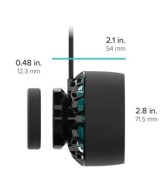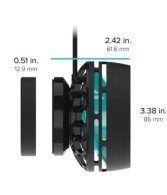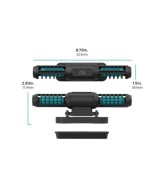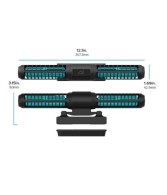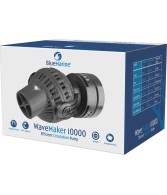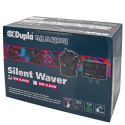
Stream or wave machine, placement and adjustment
Stream Pump vs Wave Maker, Placement and Adjustment
Water flow is critical in a saltwater aquarium, and choosing the right equipment plays a major role in system success. The two most common options are stream pumps and wave makers. While both create circulation, they operate differently and serve different purposes.
What is a stream pump
A stream pump provides continuous flow. It moves large volumes of water in a wide, gentle current rather than a narrow jet.
This makes it ideal for reefs, as it distributes water evenly and avoids harsh direct flow. It creates a stable base level of circulation.
What is a wave maker
A wave maker creates changing flow by pulsing water movement on and off. This creates wave like motion similar to natural ocean conditions.
Wave makers can be standalone devices or built into advanced pumps. They add variation and simulate real marine flow patterns.
Key difference in use
Stream pumps provide constant flow, while wave makers create variation.
The most effective setups often combine both to achieve natural movement.
Pump placement
Placement is critical. Poor positioning can result in uneven flow or dead zones.
Good placement ensures:
- movement throughout the tank
- surface agitation
- no stagnant areas
Pumps are often placed on opposite sides to create intersecting flow.
Avoiding dead spots
Dead spots are areas with little or no water movement. These accumulate waste and nutrients.
They can be prevented by:
- using multiple pumps
- directing flow in different angles
- adjusting placement over time
Balanced circulation keeps the entire tank active.
Adjusting flow
Flow should not be constant. Natural environments have changing currents.
Modern pumps often include modes such as:
- pulse mode
- random flow
- alternating flow
Adjusting these settings improves coral health and system stability.
Too much or too little flow
Too little flow leads to buildup of waste and poor water quality.
Too much flow can:
- damage corals
- stress fish
- disturb substrate
Balance is essential.
Integration with system flow
Circulation pumps and return pumps serve different purposes. Both are needed for a complete system.
Internal flow keeps the tank active, while the return pump supports filtration.
Best approach
Most successful reef systems use both steady flow and variable movement.
Stream pumps create baseline flow, while wave functions add realism.
Summary
Stream pumps provide steady circulation, while wave makers add variation. Proper placement and adjustment ensure healthy flow throughout the aquarium.
At Akvaariokeidas, you can find high quality pumps and expert advice to design the perfect flow system.
Share this content