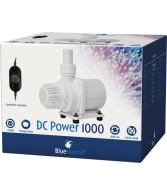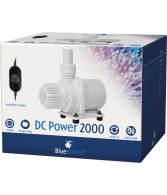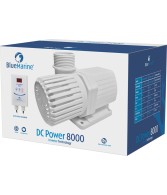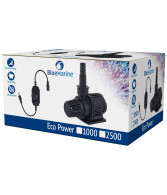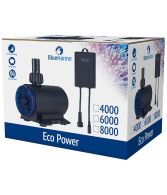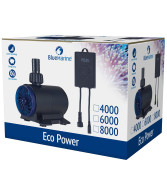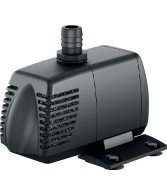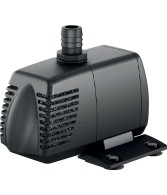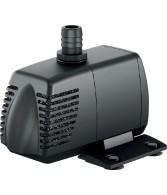
What should I consider when selecting and sizing a returnpump?
Return Pump Selection and Sizing in a Saltwater Aquarium
A return pump is one of the most important components in a saltwater aquarium, especially when using a sump system. Its role is to move water from the sump back to the main tank and maintain continuous circulation throughout the system.
Choosing the right pump affects stability, filtration performance, and overall efficiency.
What does a return pump do
The return pump circulates water from the sump to the display tank. This allows filtration, skimming, and other equipment to function properly.
It is important to note that this is not the same as internal water movement, which is handled by circulation pumps.
Flow rate considerations
One of the key factors is flow rate. A common recommendation is to turn over the tank volume about 3 to 5 times per hour through the sump.
For example, a 200 liter aquarium would require approximately 600 to 1000 liters per hour.
Too little flow reduces efficiency. Too much flow can create noise and inefficiency.
Head height matters
Pump performance ratings are often given without resistance. In reality, head height reduces actual flow.
The higher the water must be lifted, the lower the effective flow rate. Always consider vertical distance and plumbing resistance.
Choose a pump with enough capacity to handle real world conditions.
Adjustable flow
Modern pumps often offer adjustable flow settings. This allows you to fine tune the system based on your needs.
Adjustability provides flexibility as your system evolves.
Energy efficiency
Return pumps run continuously, so energy use is important.
DC pumps are typically more efficient and quieter than traditional AC pumps, making them a popular choice.
Noise level
A quiet pump is essential in home environments. Poor quality pumps may produce vibration or humming.
Proper installation and high quality equipment help minimize noise.
Reliability
The return pump is critical. If it stops, water circulation stops.
Choosing a reliable and well known brand reduces the risk of failure.
Maintenance
Regular cleaning is necessary to maintain performance. Mineral buildup and debris can reduce efficiency over time.
Easy disassembly makes maintenance simpler.
System compatibility
The pump must match the overflow and sump design. Too much flow can overwhelm the system.
A balanced setup ensures smooth operation.
Summary
Choosing the right return pump involves selecting proper flow rate, accounting for head height, and ensuring reliability and efficiency.
At Akvaariokeidas, you can find high quality return pumps and expert advice to help you choose the right model for your system.
Share this content